When it comes to managing oil spills, it's crucial to have the right equipment for containment and cleanup. Two indispensable tools in environmental protection Oil Absorbent Booms and Oil Containment & Oil Spill Booms play complementary roles in reducing damage, preventing spread, and aiding recovery.
Understanding Oil Absorbent Booms
Oil Absorbent Booms are designed to actively absorb oil and hydrocarbon-based fluids while repelling water. Made from polypropylene or similar synthetic materials, they feature an absorbent core encased in a mesh or sock-like sleeve that floats on water and soaks up oil effectively. Since they absorb but don’t sink—even when saturated—they remain buoyant and easy to retrieve.
These booms are often used after a spill has occurred to remove oil from water surfaces. They are lightweight, easy to deploy, and can be interconnected to scale cleanup efforts.
Typical applications include:
Marine and coastal environments, such as ports, lakes, and rivers.
Industrial spills around machinery or transfer stations.
Roadside or rail-adjacent oil leaks.
What Are Oil Containment & Oil Spill Booms?
While absorbent booms aim to soak up oil, Oil Containment & Oil Spill Booms act as physical barriers. Often crafted from durable materials like PVC or vinyl, they aren’t absorbent; instead, they prevent oil from spreading further by floating atop water with a weighted skirt extending beneath the surface. This design blocks dispersion and concentrates the spill in a manageable area.
These containment booms serve key purposes:
Shielding sensitive shorelines, habitats, or infrastructure.
Guiding spilled oil toward collection zones, making recovery more efficient.
They come in various configurations—standard curtain style, inflatable units, self-inflating models, and more—and are selected based on environmental conditions and deployment needs.
Deploying containment booms first to block further spread, then following with absorbent booms to collect the oil, creates an efficient, two-step cleanup strategy.
Why Both Are Essential
A combined approach enhances environmental protection and spill response:
Containment operators control the spread.
Absorption specialists efficiently remove the pollutant.
Together, they minimize ecological damage, reduce cleanup time, and lessen regulatory penalties.
Solutions from Absorbents Online
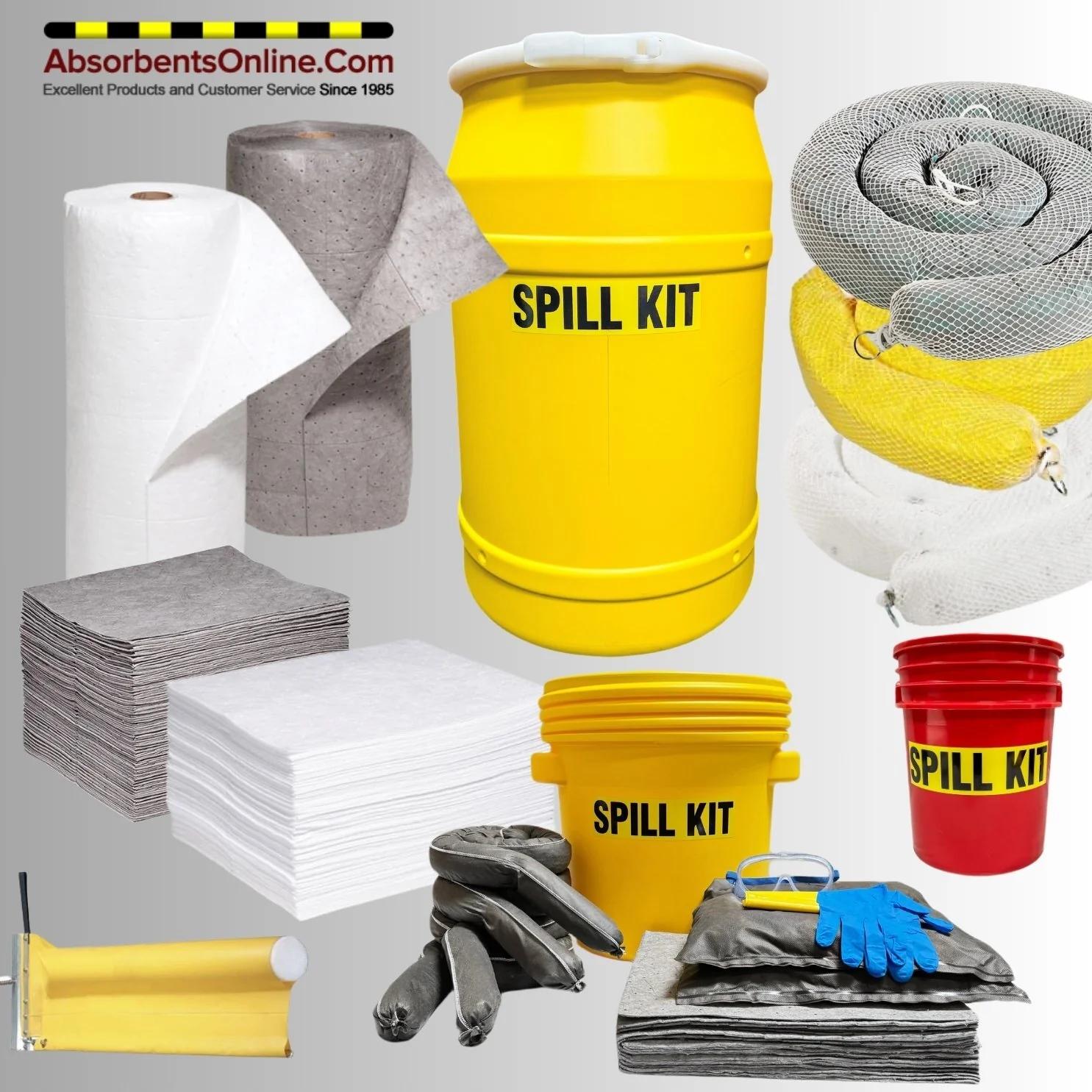
At Absorbents Online, both Oil Absorbent Booms and Oil Containment & Oil Spill Booms are available to meet a wide range of spill scenarios. Absorbent booms feature polypropylene-filled sock skins with mesh sleeves that float, absorb, and repel water. Their non-absorbent counterparts offer reliable containment—blocking oil, debris, and trash—and are designed for quick deployment in diverse aquatic environments.
Final Thoughts
To protect aquatic environments effectively, it's not a question of choosing between Oil Absorbent Booms and Oil Containment & Oil Spill Booms—it's about pairing them smartly. Containment keeps oil contained; absorption removes it. Together, they form a robust and responsive oil spill mitigation strategy. Explore our range at Absorbents Online to find solutions tailored to every stage of spill management—and take proactive steps to protect your environment and operations today.


Write a comment ...